Rooms for a Closer Gathering
Choose the place where your people can actually settle in. A beautiful photograph cannot tell you whether a room works.
Start with the way you want to gather
Imagine an ordinary moment during the celebration: someone needs a quieter seat, a guest wants more water, and a child is tired. Where does each person go? This small exercise tells you more about a venue than a photograph of an empty room. A place should support the day you are arranging, not only the entrance you hope to make.
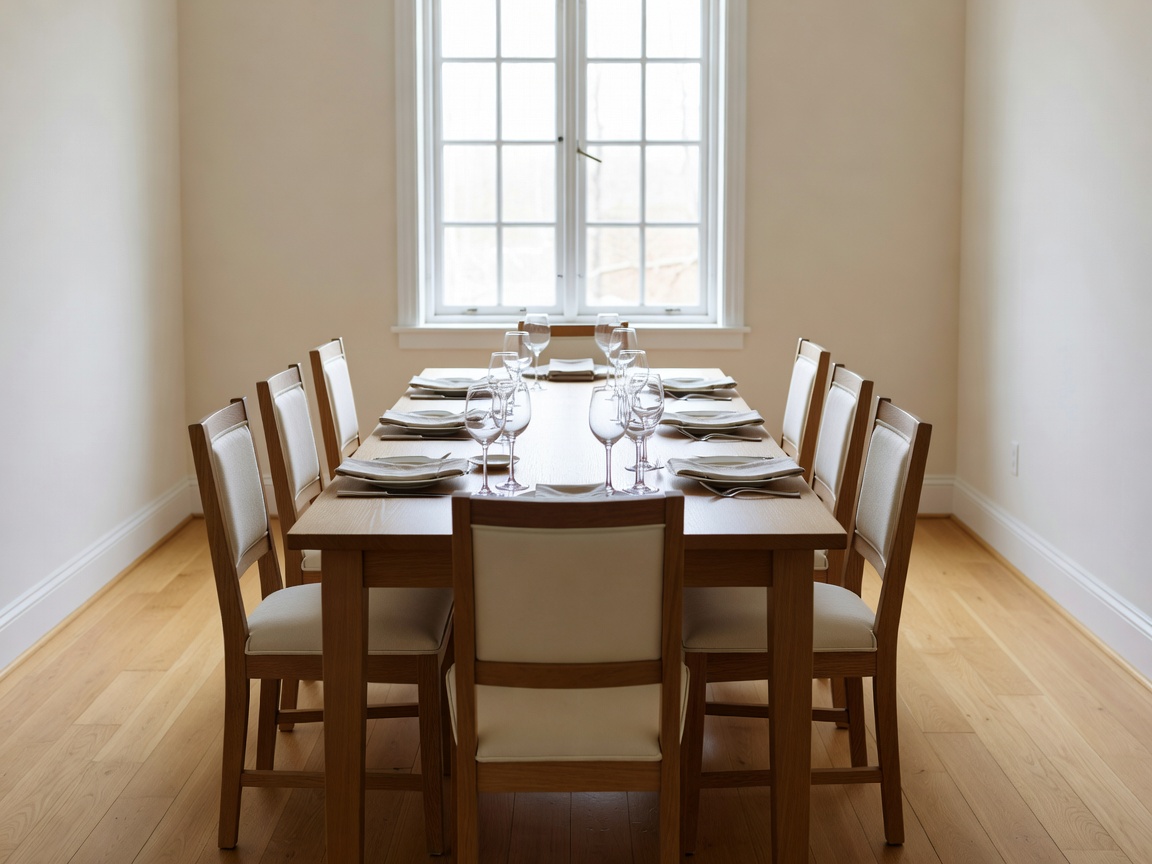
A restaurant private room can provide food, staff, furniture and a familiar rhythm. Ask whether it is genuinely private, whether other customers can pass through and whether background music can be changed. Check the final seating layout, not just the maximum capacity. A long table may look intimate while making conversation difficult from one end to the other.
A community hall can offer flexibility and a modest setting without a wedding package. It can also transfer responsibility for keys, toilets, equipment, setup and cleanup to you. A home or garden may hold personal meaning, but it introduces questions about neighbours, power, weather, parking and insurance. Familiar does not automatically mean simple.
Walk the whole guest journey
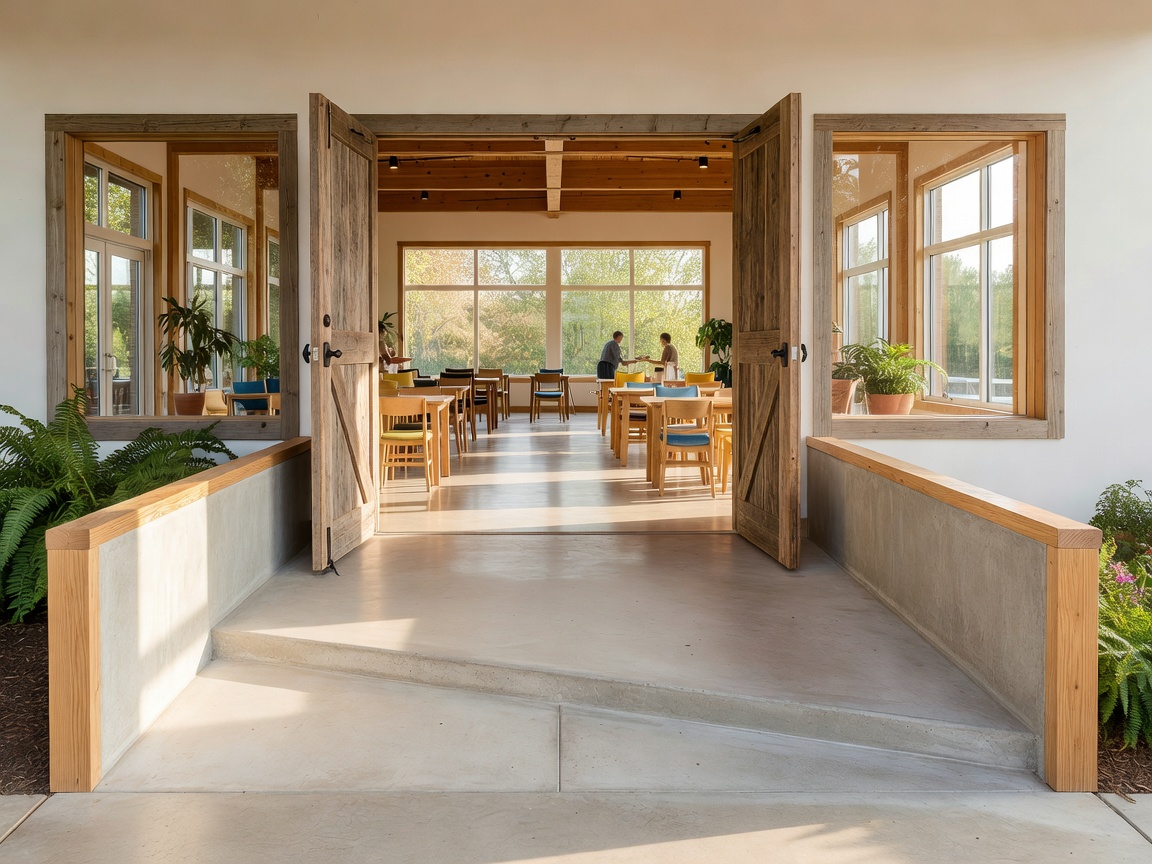
Visit at roughly the time of day you expect to use the space. Listen for kitchen noise, traffic, adjoining events and echo. Look at the route from the actual arrival point to the ceremony, table and toilets. A single step, a heavy door or an unlit path can matter more than a venue’s broad claim to be accessible.
Ask guests privately what would help them attend. Avoid promising access based only on photographs or general labels. Where useful, share concrete information: surfaces, distances, doorway measurements, available seating and the location of an accessible toilet. The AccessAble guide format offers a helpful model for detailed access descriptions, although its coverage is location-specific.
Think about departure as carefully as arrival. Check actual services through Renfe for Spanish rail journeys or National Rail for Great Britain, as appropriate. Do not assume a late train exists because daytime connections are frequent. Ask local transport providers about accessible vehicles, booking deadlines and pickup points rather than leaving guests to improvise.
Keep the legal ceremony and the setting distinct
Permission to hold a celebration is not necessarily permission to conduct a legally recognised marriage. The requirements depend on the country, the location and the ceremony route. An attractive garden, rented house or beach should never be assumed to qualify. Confirm with the relevant civil authority or authorised religious body before describing the booking as your legal wedding venue.
For Spain, begin with the Ministerio de Justicia and the relevant local authority or civil registry. For consular and cross-border questions, the Ministerio de Asuntos Exteriores can help identify the appropriate consular information. In Norway, consult Skatteetaten. These resources do not remove the need to check your own nationality, residency and documentation requirements.
A separate legal appointment and a personal ceremony can work well if that arrangement suits you. Be clear with guests about what is happening, and budget for both parts. Do not book non-refundable travel on the assumption that administrative appointments or document checks will fit your preferred date.
Choose a weather plan you would still enjoy
An outdoor plan needs more than optimism and umbrellas. Ask where every guest can sit comfortably if it rains, becomes very hot or turns windy. Check whether the alternative holds the whole group and whether moving indoors changes catering, sound or ceremony permissions. Shade, drinking water and stable walking surfaces deserve their own questions.
Use AEMET for official Spanish weather information or the Norwegian Meteorological Institute for Norway, depending on the location. Forecasts support decisions; they do not guarantee conditions. Agree who makes the weather call and when suppliers need to know.
Before signing, put the actual room, access hours, permitted activities, staffing, noise limits, cleaning duties and contingency space in writing. Ask what another simultaneous booking could change. Take a final look at your priorities: if the room requires repeated explanations for why it does not quite work, it may not be the right room.
Once the setting is settled, move to the details that give it personal meaning. You do not have to decorate away every ordinary feature. A comfortable place filled with familiar people can already be enough.